Market analysis, investigations, regulation, security and geopolitics of the crypto universe. Daily coverage with Crypto Radar and real-time technical analysis.
Showing 9 of 189 articles
Daily crypto market analysis. Bitcoin at $78.4K with Fear & Greed at 27 (Fear). Global market cap: $2.61T. Quotes, charts and what to watch tomorrow.
Radar Crypto — June 03, 2026: Extreme Fear with BTC at $65.7K
Daily crypto market analysis. Bitcoin at $65.7K with Fear & Greed at 11 (Extreme Fear). Global market cap: $2.28T. Quotes, charts, and what to watch tomorrow.
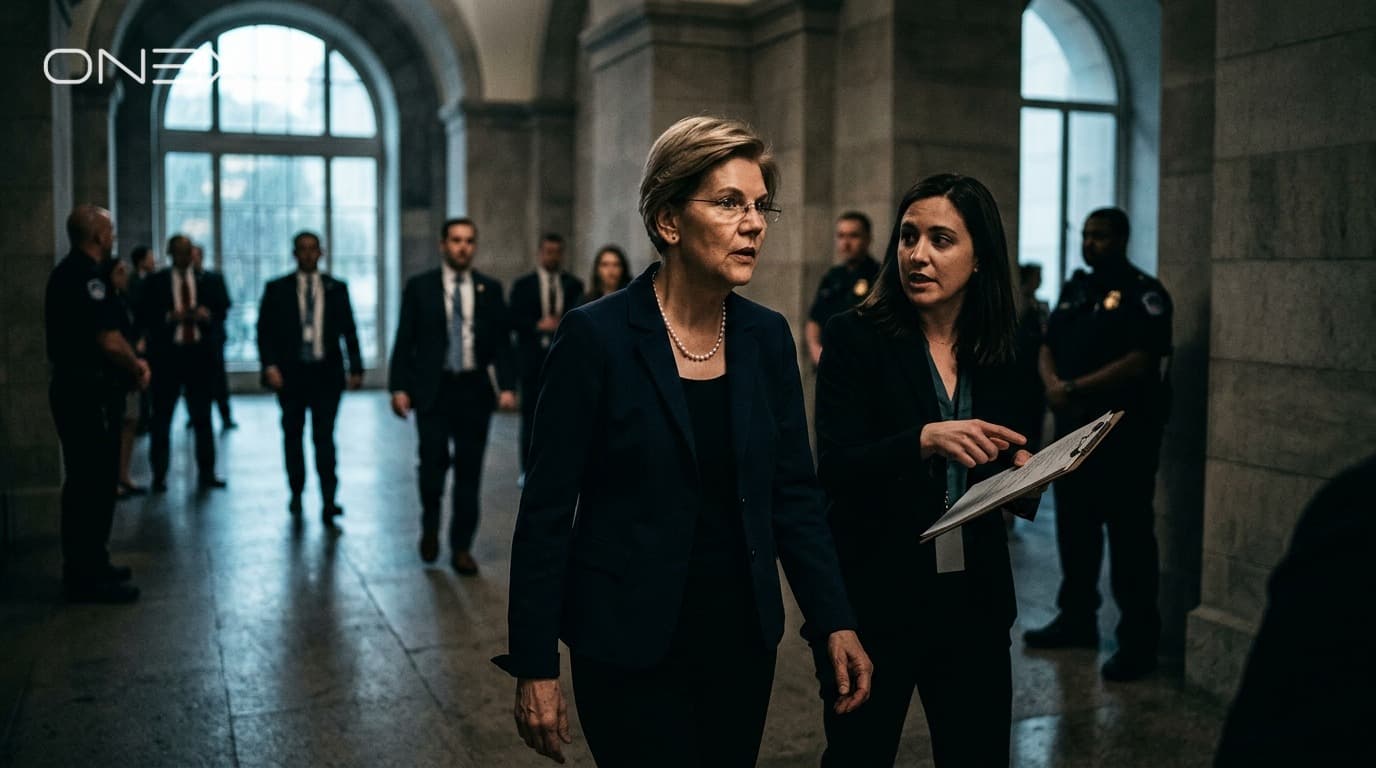
On May 14, the same day as CLARITY's markup in the Senate Banking Committee, Senator Elizabeth Warren sent a letter to SEC Chairman Paul Atkins requesting an investigation into Trump family's World Liberty Financial. In focus: the FTX-esque US$ 75 million scheme via Dolomite, with US$ 440 million in own tokens as collateral, US$ 40 million redirected to Coinbase Prime, and blacklist function used against Justin Sun. SEC response deadline: May 26.
On May 18, the Fars News Agency released the official Hormuz Safe website — a platform of the Iranian Economy Ministry for Bitcoin tolls via 'digital marine insurance'. In 48 days, the regime moved from the verbal threat of April 2 to a formal product with a target of $10 billion annually. OFAC, Chainalysis, and TRM Labs were already mapping the path.
Western Union launched USDPT on May 4th, a dollar-backed stablecoin on Solana, issued by Anchorage Digital Bank with Fireblocks infrastructure. Philippines and Bolivia first, 40 countries by 2026. Closes the tokenized dollar trinity — treasury (BUIDL), settlement (Visa, Arc) and now retail remittance — and arrives in Brazil five months before Resolution 561 comes into effect.
Drex 2026 debuts in the second half as a centralized lien reconciliation infrastructure — without blockchain, without tokenization, without public access, restricted to financial institutions. Galípolo recalibrated the vocabulary in two stages, the TCU pointed out the technical flaws in 2024, and the tokenization gap for the real is being filled by the regulated private sector.
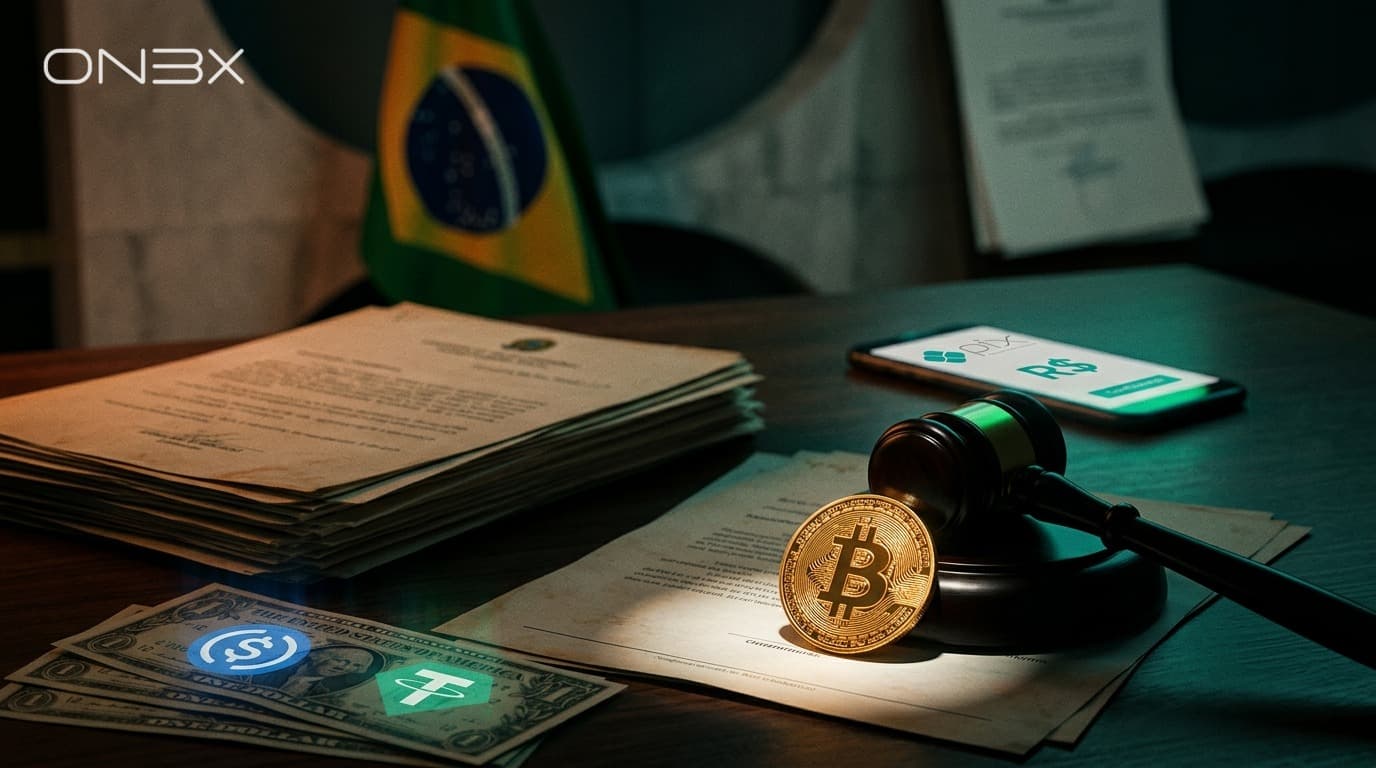
In 117 days, the BCB issued four exposure communications for Pix keys (Agibank, MP-GO, Pefisa, Credifit), totaling 33,632 keys. In parallel, the MORGUE database reintroduced 251.7 million CPFs into circulation on the dark web for US$ 500 in Bitcoin. The map of four incidents, the common denominator, and the asymmetry between aggressive crypto regulation and lenient cadastral protection.
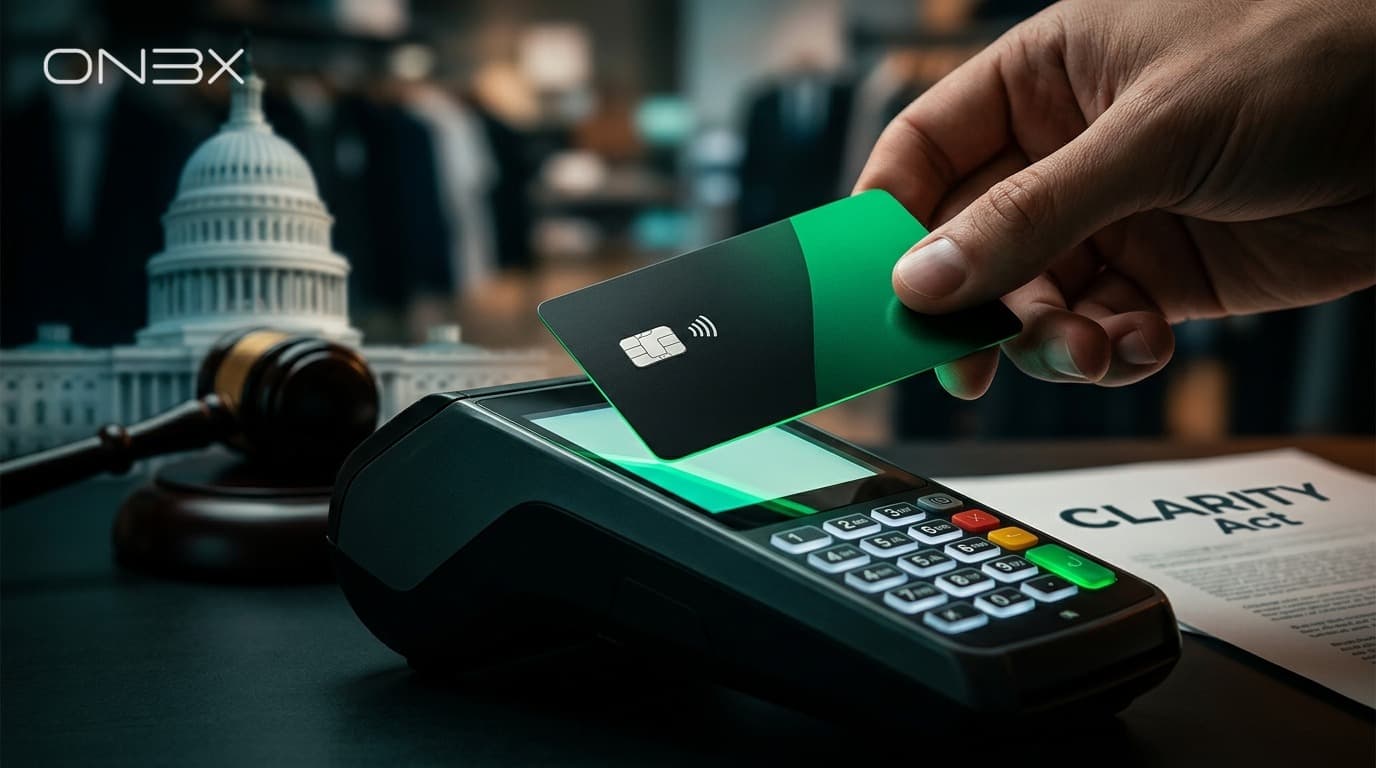
Senate Banking approved the CLARITY Act 15 to 9 on May 14. But the defeat of the Van Hollen amendment on ethics, 11 to 13, opened the trench that will decide the 60 votes in plenary and the target of presidential signature on July 4th.
Daily crypto market analysis. Bitcoin at US$ 78.2K with Fear & Greed at 31 (Fear). Global market cap: US$ 2.60T. Quotes, charts and what to watch tomorrow.
Daily crypto market analysis. Bitcoin at US$ 78.9K with Fear & Greed at 43 (Fear). Global market cap: US$ 2.63T. Quotes, charts, and what to watch tomorrow.