

What is a Blockchain?
At its core, a blockchain is a distributed digital ledger that records transactions across a network of computers. Unlike a traditional database controlled by a single entity, a blockchain is maintained by thousands of participants (called nodes) around the world, making it decentralized, transparent, and highly resistant to tampering.
Think of it as a shared Google spreadsheet that everyone can view, but no single person can secretly edit. Every change is verified by the network and permanently recorded.
How Does Blockchain Work?
When someone initiates a transaction — for example, sending Bitcoin to another person — the request is broadcast to a peer-to-peer network of nodes. These nodes validate the transaction using consensus algorithms (like Proof of Work or Proof of Stake). Once verified, the transaction is grouped with others into a "block."
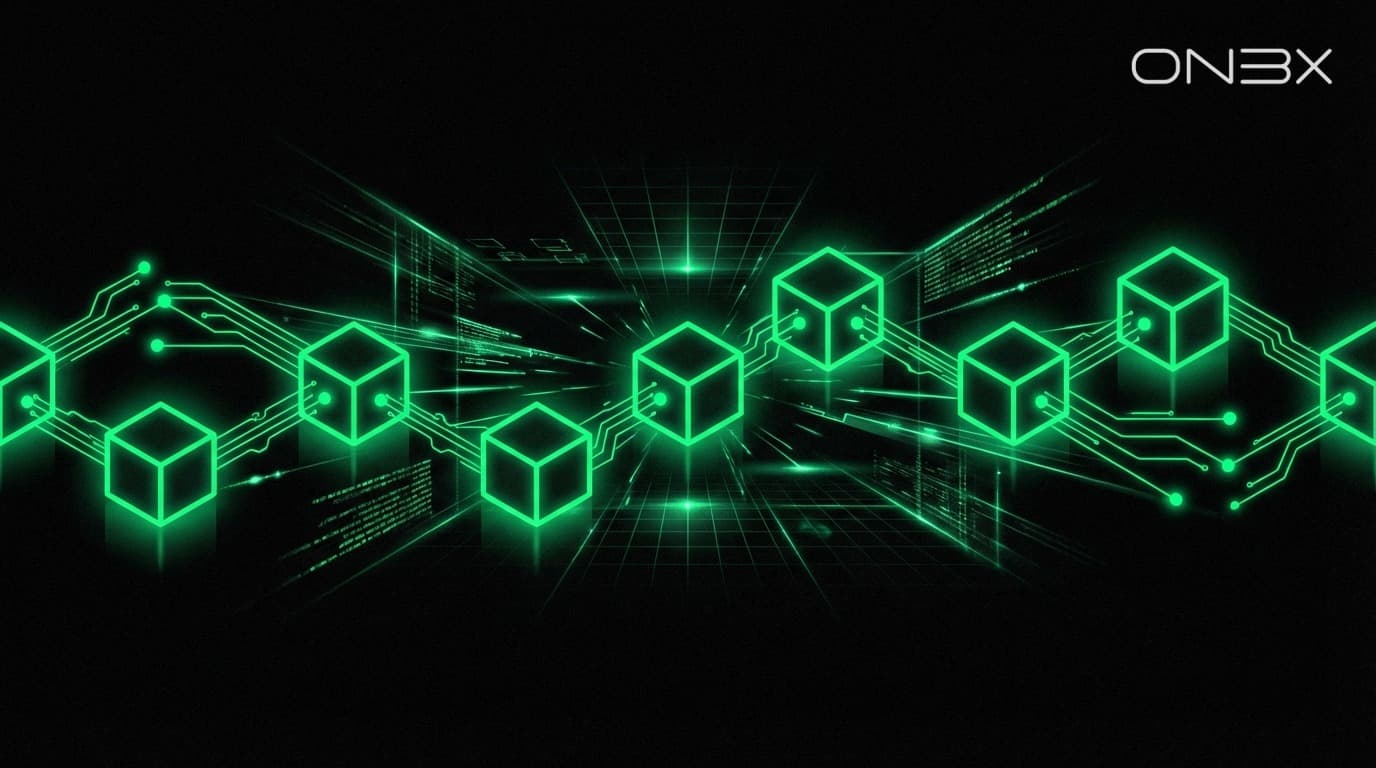
Each block contains a cryptographic hash of the previous block, creating an unbreakable chain. This is where the name "blockchain" comes from. Altering any past block would require re-computing every subsequent block, which is computationally infeasible on a large network.
Key Properties of Blockchain
- Decentralization: No single authority controls the network. Decisions and validation are distributed across participants.
- Immutability: Once data is written to the blockchain, it cannot be altered or deleted without consensus from the majority of the network.
- Transparency: All transactions are publicly visible on the ledger. Anyone can audit the history of transactions.
- Security: Cryptographic techniques ensure that data is protected against unauthorized access and tampering.
Types of Blockchains
Public blockchains (like Bitcoin and Ethereum) are open to anyone — anyone can join, validate transactions, and read the ledger. Private blockchains restrict participation to approved entities, often used in enterprise settings. Consortium blockchains are governed by a group of organizations, combining aspects of both.
Real-World Applications
Beyond cryptocurrencies, blockchain technology is being used in supply chain management, healthcare record-keeping, digital identity, voting systems, and decentralized finance (DeFi). At ON3X, blockchain is the foundation of our entire ecosystem — from secure transactions to transparent financial services.
Why Blockchain Matters
Blockchain removes the need for trusted intermediaries like banks or brokers. It enables peer-to-peer transactions that are faster, cheaper, and more transparent. As the technology matures, it has the potential to reshape industries far beyond finance, creating a more open and equitable digital economy.